TOMATO NEWS
New FireWater Energy Drink Faces Scrutiny Over Health Claims
New FireWater Energy Drink Faces Scrutiny Over Health Claims
Washington D.C. - The recently launched energy drink, FireWater, is facing intense scrutiny from the Food and Drug Administration (FDA) and consumer advocacy groups following a surge in reported adverse health effects allegedly linked to its consumption. The beverage, marketed towards young adults and athletes, boasts an "unrivaled energy boost" fueled by a potent combination of caffeine and sugars. However, the promised benefits appear to be overshadowed by growing concerns about its safety.
The FDA confirmed earlier today that it has initiated a formal investigation into FireWater, citing a "concerning trend" in reports submitted through its Adverse Event Reporting System (FAERS). These reports detail a range of symptoms including heart palpitations, anxiety, insomnia, nausea, and in some severe cases, cardiac arrhythmias.
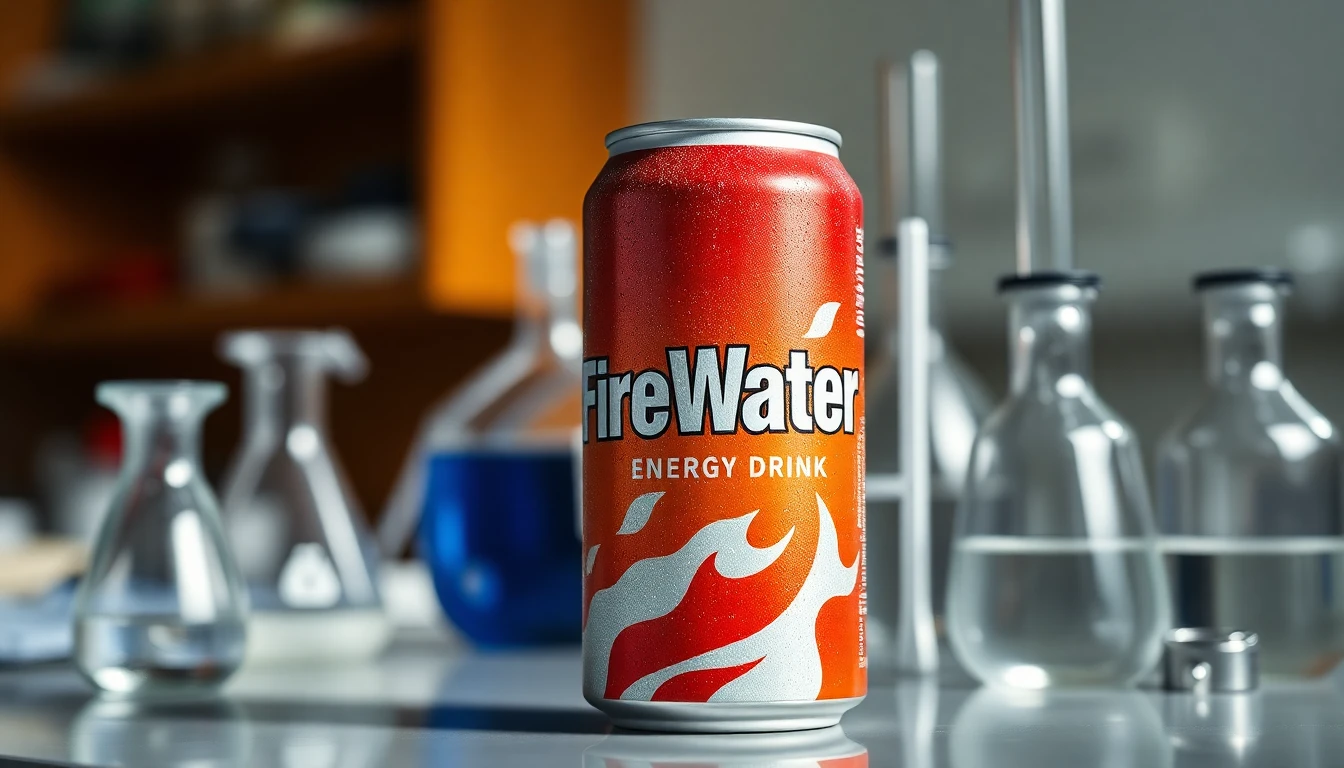
According to publicly available information on the FireWater website (firewaterenergy.com - Note: This is a fictional website), a single 16-ounce can contains 300mg of caffeine and a staggering 54.6 grams of sugar. This caffeine level is significantly higher than many comparable energy drinks on the market. For instance, a 16-ounce can of a leading competitor contains approximately 160mg of caffeine.
"The sheer volume of caffeine and sugar in FireWater is alarming," stated Dr. Emily Carter, a cardiologist at the National Institutes of Health (NIH). "Consuming such a high dose, particularly in a short period, can place undue stress on the cardiovascular system, leading to potentially serious health complications, especially for individuals with pre-existing heart conditions or sensitivities to stimulants."
The Center for Science in the Public Interest (CSPI), a prominent consumer advocacy group, has been a vocal critic of FireWater since its release three months ago. They have called for the immediate removal of the product from store shelves pending the outcome of the FDA investigation.
"FireWater is aggressively marketed to young people with flashy advertising and promises of enhanced performance," said Sarah Miller, a senior policy analyst at CSPI. "The company is preying on vulnerable populations with a product that poses a clear and present danger to their health. Our preliminary analysis of the reported adverse events suggests a strong correlation between FireWater consumption and the reported symptoms."
CSPI's internal data indicates that over 1800 adverse event reports potentially linked to FireWater have been filed in the past three months. While the FDA's FAERS system relies on voluntary reporting and cannot definitively establish causation, the sheer number of reports has raised serious red flags.

FireWater's parent company, "Ignite Beverages," has issued a statement defending its product, claiming that it meets all regulatory requirements and that the reported adverse effects are "isolated incidents" unrelated to the drink itself.
"FireWater is a safe and effective energy drink when consumed responsibly and in moderation," the statement read. "We are fully cooperating with the FDA's investigation and are confident that the findings will exonerate our product. We advise consumers to adhere to the recommended serving size and to consult with their doctor if they have any concerns."
However, critics point to the company's marketing tactics, which often depict individuals engaging in extreme sports and consuming multiple cans of FireWater in a single sitting, as contradictory to their claims of promoting responsible consumption.
The FDA investigation is expected to take several months, with officials stating that they will be conducting thorough testing of FireWater's ingredients and evaluating the available evidence to determine whether regulatory action is warranted. Until then, health experts are urging consumers to exercise caution and to avoid consuming FireWater altogether. They advise seeking alternative sources of energy and consulting with a healthcare professional before using any energy drinks, particularly those with high caffeine and sugar content.
The potential implications of the FDA's findings could be far-reaching, not only for Ignite Beverages but also for the broader energy drink industry, which has faced increasing scrutiny in recent years over its impact on public health. This case may serve as a precedent for stricter regulations and more transparent labeling practices within the industry.




No comments:
Post a Comment